
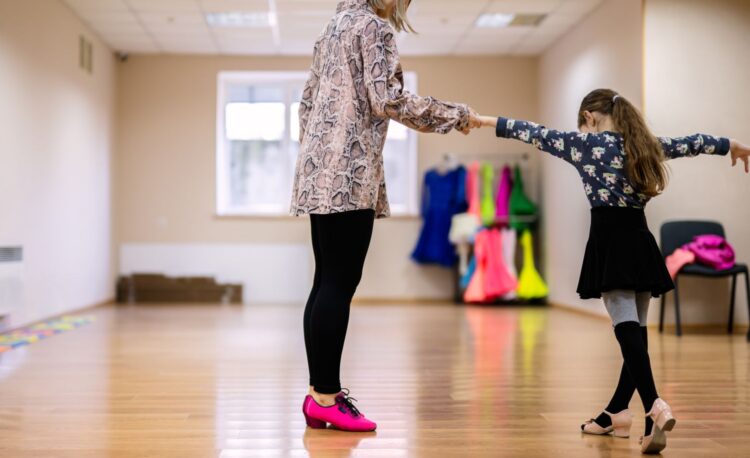
Dance classes provide a wealth of benefits that extend far beyond mere rhythmic steps and movements; they serve as a valuable resource for children’s development. As children engage in twirling and leaping, they cultivate essential physical skills such as coordination, balance, and flexibility. However, the advantages of dance transcend the physical domain. Participation in dance nurtures cognitive and emotional growth, enhancing memory, creativity, and self-expression. Additionally, the social dynamics inherent in dance instruction foster teamwork, communication, and confidence. Exploring how these diverse skills contribute to the development of well-rounded individuals is crucial in recognizing the comprehensive impact of dance education.
Overview of the Benefits
Dance classes provide numerous benefits for children, imparting essential skills that enhance physical coordination, flexibility, creativity, and discipline.
By participating in a variety of dance styles, children gain an understanding of teamwork and develop self-expression, both of which are vital for fostering confidence and enhancing emotional intelligence.
Additionally, these classes promote social interaction, enabling children to establish meaningful relationships and improve their communication skills.
As they engage in dance, they cultivate an appreciation for movement and artistic expression, ultimately facilitating personal growth and the development of lifelong skills.
Physical Skills Gained from Dance Classes
Dance classes play a vital role in enhancing physical skills in children, emphasising key areas such as coordination, balance, and flexibility.
Through structured movement and rhythmic exercises, children develop their motor skills, which facilitate their ability to engage in various dance forms with greater ease and confidence. Additionally, the practice of rhythm recognition is essential in fostering their physical capabilities, enabling them to express themselves through movement while simultaneously cultivating a heightened awareness of their bodies.
Coordination, Balance, and Flexibility
Coordination, balance, and flexibility are essential physical skills that children cultivate through participation in dance classes, which enhances their overall body awareness and kinaesthetic learning. By engaging in various dance movements, children learn to control their bodies, thereby improving their ability to execute intricate routines while maintaining balance and flexibility.
This process not only promotes physical fitness but also fosters perseverance and critical thinking as they confront new challenges throughout their dance journey.
These skills are crucial not only in the realm of dance but also in daily activities, as they enable young learners to navigate their environments with increased ease. For example, mastering body control through dance enhances a child’s ability to run, jump, and engage in team sports, thereby fostering a sense of confidence and achievement.
Furthermore, consistent practice in dance nurtures commitment and a strong work ethic, which are vital traits for overcoming obstacles. The emotional release provided by dance allows children to articulate their feelings and manage stress, ultimately contributing to their mental well-being while reinforcing the connection between physicality and emotional health.
Cognitive and Emotional Development
Plus the physical benefits, dance classes significantly contribute to the cognitive and emotional development of children, enhancing their creativity and facilitating self-expression.
As children learn complex dance routines, they engage in critical thinking and memory retention, thereby strengthening their cognitive abilities. Furthermore, the act of expressing emotions through movement helps them develop emotional intelligence, build self-esteem, and improve their concentration.
This multifaceted approach promotes comprehensive personal growth.
Improved Memory, Creativity, and Self-Expression
Dance classes play a significant role in enhancing memory, creativity, and self-expression among children, enabling them to articulate their emotions through artistic means.
As children memorise and execute choreography, their cognitive development is promoted, resulting in improved retention and recall of information across various contexts. This creative outlet not only facilitates emotional expression but also nurtures their imagination, contributing to the development of a unique identity that can be freely expressed.
Through rhythm and movement, participants engage in a meaningful exploration of their emotions, establishing dance as a valuable tool for emotional regulation.
The process of memorising sequences necessitates focus and discipline, prompting children to cultivate problem-solving skills while simultaneously boosting their confidence as they achieve mastery in their performances.
This combination of physical and mental challenges fosters a deeper understanding of the self and one’s emotions, thereby positioning dance as an exceptional avenue for personal growth.
Ultimately, the advantages gained from dance extend beyond the studio, equipping children with skills that enhance their interpersonal relationships and academic performance.
Social Skills Learned in Dance Classes
Dance classes play a crucial role in imparting essential social skills to children, including teamwork and effective communication, which are integral to their overall development.
As children engage in collaborative group dance routines, they gain an understanding of the significance of cooperation and respect, thereby fostering a sense of community and belonging.
Through these interactions, they also build confidence and enhance their ability to express themselves non-verbally, thereby improving their social skills and emotional intelligence across diverse contexts.
Teamwork, Communication, and Confidence
Teamwork, communication, and confidence are fundamental components cultivated through participation in dance classes, where children collaborate to achieve common objectives. The inherently collaborative nature of dance necessitates clear communication and mutual understanding among peers, thereby enhancing their social interaction skills.
As they successfully master routines, children experience a boost in confidence, recognising their ability to rely on one another and contribute positively to a collective endeavour.
In this dynamic environment, children not only acquire choreography but also develop essential skills such as self-motivation and the capacity to provide and receive constructive feedback.
Engaging in teamwork educates young dancers on the importance of collaboration, enabling them to articulate their ideas while remaining open to those of their peers. This spirit of cooperation enhances their ability to navigate social situations effectively, as each child learns the significance of mutual support. The encouragement they receive fosters a sense of belonging, which is vital for their overall emotional and social development.