
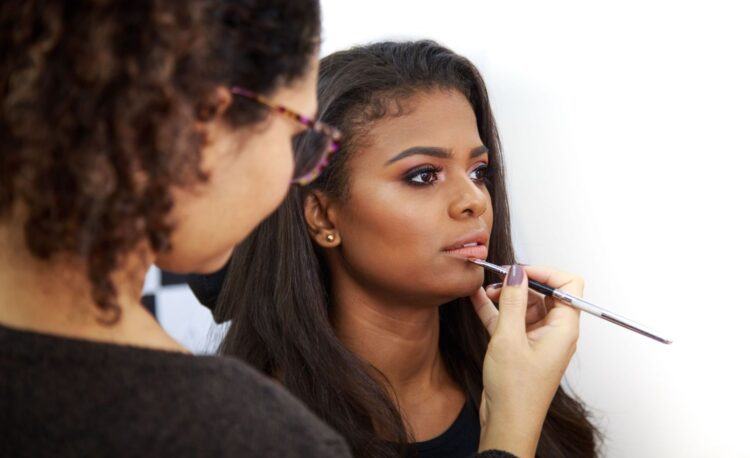
Exploring the realm of makeup presents an enriching opportunity, whether one is a novice seeking to improve their skills or a beauty enthusiast aiming to refine their artistry. Enrolling in a makeup course offers valuable insights, techniques, and certifications that can significantly enhance one’s proficiency in makeup application. Given the multitude of options available, selecting the appropriate course may seem daunting. This guide will outline essential factors to consider, the various types of courses offered, and provide advice for identifying reputable programs, thereby enabling individuals to make informed decisions on their journey to mastering the art of makeup.
Why Taking a Makeup Course Can Be Beneficial
Enrolling in a makeup course can significantly deepen one’s understanding of makeup artistry and the broader beauty industry, equipping individuals with essential skills in makeup application, colour theory, and various techniques. By participating in a reputable course, students have the opportunity to learn from experienced professionals, gain practical experience, and obtain certifications that validate their proficiency.
These programmes encompass a wide range of topics, from foundational makeup concepts to advanced techniques, ensuring that participants remain informed about current trends and industry standards. Engaging in makeup workshops and online classes also fosters creative expression and offers valuable networking opportunities with fellow enthusiasts.
The advantages of completing such a programme extend beyond the mastery of makeup application; they include acquiring practical knowledge that can significantly elevate an individual’s skill set. Many students provide positive feedback regarding how these courses not only enhance their technical abilities but also expand their creative horizons, allowing them to experiment with various looks and styles with confidence.
This enhancement of skills often translates into more promising career opportunities, as numerous makeup artistry schools emphasise the necessity of continuous learning in the ever-evolving beauty sector.
Whether one aspires to work as a freelance artist or seeks a position within a cosmetics company, the foundational knowledge gained through training is crucial for achieving professional success.
Important Factors to Consider When Choosing a Makeup Course
When selecting a makeup course, it is essential to consider several key factors that can significantly influence your learning experience and career trajectory in makeup artistry.
Begin by evaluating the course curriculum to ensure it encompasses essential topics, including:
- Makeup application techniques
- Skincare for various skin types
- Specialised makeup styles such as bridal and editorial makeup
Furthermore, the qualifications and experience of the instructors are critical to the quality of education and practical knowledge provided. Choosing accredited and reputable courses will enhance your credibility upon certification, thereby positioning you for success in the makeup industry.
Accreditation and Certification
Accreditation and certification are critical factors to consider when selecting a makeup course, as they validate the legitimacy and quality of the training provided. A reputable course will be recognised by industry standards and will offer a certification that enhances employability as a makeup professional.
This validation is essential not only for freelance opportunities but also for establishing trust with potential clients and employers in the competitive beauty industry. It is advisable to verify the credentials of the institution and the relevance of their certification within the makeup artistry community.
The importance of accreditation serves as a benchmark for quality education, which directly impacts career prospects. Employers often favour candidates who have completed certified programmes, as they are assured that these individuals possess the foundational skills necessary for excellence in makeup artistry.
Programmes endorsed by esteemed organisations equip aspiring makeup professionals with practical skills and provide industry insights that are crucial for networking and professional advancement.
When selecting courses, prioritising those accredited by recognised entities is essential to ensure that training aligns with current industry standards, thereby paving the way for a successful and sustainable career in makeup.
Course Curriculum and Instructors
The course curriculum and the expertise of instructors are critical components that determine the quality of a makeup programme. A comprehensive curriculum should cover a broad spectrum of topics, including foundational makeup skills, colour theory, makeup brush techniques, and advanced methods such as contouring and highlighting.
By engaging with various aspects of makeup artistry, students not only acquire essential techniques but also cultivate a deeper appreciation for the artistry inherent in each look.
Instructors with extensive industry experience serve as invaluable resources, as their firsthand knowledge provides students with insights into current trends, professional practices, and the subtleties of client interactions that are vital for a successful career in makeup.
This combination of a well-rounded curriculum and expert guidance fosters the development of individuals who are well-prepared to adapt to the ever-evolving beauty industry.
Types of Makeup Courses Available
A diverse array of makeup courses is available, designed to cater to varying interests, skill levels, and learning preferences, thereby give the power toing aspiring makeup artists to refine their craft.
These offerings range from comprehensive makeup artistry programmes to targeted online classes that focus on specific techniques, such as eye makeup application, foundation matching, and lipstick application, thus providing learners with flexibility in their educational pursuits.
Additionally, specialised courses are available in areas such as special effects makeup and makeup for photography, enabling students to tailor their education to align with their personal career aspirations.
Furthermore, participation in makeup workshops can offer valuable hands-on experience and facilitate networking opportunities with industry professionals.
Online vs. In-person Courses
When considering the choice between online makeup classes and traditional in-person courses, it is imperative to evaluate the advantages and disadvantages of each format to ascertain which best aligns with individual learning styles and schedules.
Online classes provide the flexibility to learn from any location at one’s own pace, making them a suitable option for individuals with demanding lifestyles. In contrast, in-person courses offer invaluable hands-on experience and immediate feedback from instructors, which is essential for mastering practical makeup skills and techniques.
Ultimately, the decision will be influenced by personal preferences and career objectives within the makeup artistry field.
Online options frequently include a range of student resources, such as video tutorials and discussion forums, enabling learners to connect and exchange ideas at their convenience.
While this digital classroom can enhance collaborative learning, it may lack the spontaneous networking opportunities that in-person environments naturally facilitate. Face-to-face interactions can foster enduring relationships with peers and mentors in the industry.
The immediacy of real-time feedback during hands-on practice is generally more effective in a traditional setting, allowing students to refine their techniques swiftly and establish a solid foundation for their artistry.
Specialised Courses for Different Makeup Techniques
Specialised courses that focus on specific makeup techniques are integral to the education of aspiring makeup artists, enabling them to refine their skills in niche areas of the beauty industry. These courses encompass a wide range of topics, including bridal makeup, editorial makeup, special effects makeup, and techniques tailored for different skin tones, which are essential for addressing the diverse needs of clients.
By investing in specialised training, makeup artists can differentiate themselves in a competitive marketplace and enhance their creativity, ensuring they are well-prepared to address various makeup challenges.
As the beauty industry continues to evolve, these courses not only improve technical capabilities but also cultivate innovation in makeup styles. Acquiring knowledge about contemporary trends, such as airbrush techniques or the art of contouring, allows makeup artists to deliver cutting-edge looks that align with the ever-changing demands of clients.
Learning from industry experts can lead to numerous career opportunities, ranging from freelance work to esteemed positions within high-end salons or fashion houses. As professionals adapt their skills to meet client preferences, they not only enhance their portfolios but also build enduring relationships, which are crucial for sustained success in this dynamic field.
Tips for Finding Trustworthy Makeup Courses
Identifying reputable makeup courses is essential for ensuring a high-quality education and a positive learning experience. A systematic approach can facilitate this process.
It is advisable to begin by researching reviews and feedback from former students, as these firsthand accounts can offer valuable insights into the effectiveness of the course and the quality of the instructors.
Furthermore, consider the pricing of the course in relation to the benefits offered, ensuring that you receive appropriate value for your investment. Evaluating customer testimonials and verifying accreditation can also assist in identifying courses that adhere to industry standards.
Researching Reviews and Recommendations
Researching reviews and recommendations is a highly effective strategy for identifying reputable makeup courses that align with one’s educational objectives.
In today’s interconnected world, the importance of gathering student feedback is paramount, as it serves as a valuable resource for navigating the numerous options available. Prospective students frequently consult online reviews to gain insights not only into course content but also into the teaching methodologies and support provided by instructors.
The experiences shared by former participants can illuminate aspects that may not be readily apparent in course descriptions, thereby significantly influencing educational decisions.
Furthermore, community insights and testimonials can guide individuals towards programmes with a demonstrated track record of success, ultimately enhancing their prospects for academic and professional achievement in the competitive field of makeup artistry.
Questions to Ask Before Enrolling
Before enrolling in any makeup course, it is essential to ask relevant questions to ascertain that the programme aligns with one’s educational needs and career objectives.
For instance, prospective students should thoroughly investigate the pricing structure of the course, including any hidden fees or additional costs related to materials and supplies. This information is crucial as it can significantly influence budget planning and the overall investment in education.
Additionally, it is advisable to inquire about available student resources, such as access to workshops, mentorship opportunities, and support services. These elements contribute significantly to the overall value of the training, enhancing the learning experience and preparing students for practical applications in the makeup industry.
By carefully evaluating these factors, learners can ensure they select a programme that not only imparts fundamental skills but also effectively equips them for career success.